



Why London’s High-Profile Clients Choose Private Personal Training Over Public Gyms
by Matt Hodges
22 June 2026
After eighteen years training some of London’s most recognisable, and most fiercely private clients, I’ve learned that the biggest barrier between a high-profile person and their fitness goals usually isn’t time, motivation, or even money. It’s exposure.
Walk into any large commercial gym in Central London and you’ll understand the problem immediately. Mirrors on every wall. Phones in every hand. A free weights area that doubles as content for someone else’s social media. For most people, that’s a mild inconvenience. For a household name, a senior executive navigating a confidential deal, or anyone whose face is recognised on sight, it’s a reason to simply not go.
For clients searching for a celebrity trainer who understands the value of total discretion, this is exactly the gap our studio fills.
It’s Not About Ego – It’s About Safety
There’s a common misconception that high-profile clients seek out private training because they want to be pampered or treated differently. In my experience, it’s almost never about ego. It’s about safety, both physical and reputational.
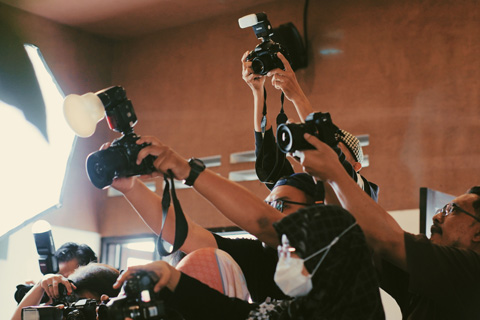
A public figure photographed mid-workout, sweating, struggling with a heavy set, or simply having an off day, can find that image circulating in places they never agreed to. For some clients, an unflattering gym photo is a minor embarrassment. For others, particularly those in the public eye professionally, or those who’ve experienced unwanted press attention before, it can affect their career, their family, or their sense of personal security.
A private studio removes that risk entirely. No phones being casually held up “to check a text.” No other members. No chance encounters with anyone who might recognise them. Just the client, their trainer, and the work.
Discretion Has to Be Built Into the Studio, Not Bolted On
Many gyms will tell you they can offer a “quiet corner” or an “early morning slot” for a well-known client. That’s not discretion, that’s a scheduling favour, and it’s fragile. True privacy has to be designed into how a studio operates from day one: who has access, how bookings are handled, what staff are trained to say (and not say) if asked, and how client information is stored and protected.
At The MPH Method, our Fitzrovia studio was built around exactly this principle. We don’t take walk-ins. We don’t photograph clients for marketing without explicit, case-by-case permission, and the default is that we don’t ask (we even have a somewhat ‘secret’ entrance). Our team understands that what happens in a session, and who they train, simply isn’t a topic of conversation – not with other clients, not on social media, and not with the press.
What This Looks Like Day to Day
In practice, working with high-profile clients changes very little about the experience itself – all our services – personal training, hormone analysis, nutrition planning, physio and osteopathy, yoga and sports massage apply just as rigorously whether you’re a household name or not. What changes is everything around the training: arrival times staggered to avoid other clients, a studio layout that was never designed to be a stage, and a team that treats confidentiality as a professional standard rather than an occasional courtesy.
Privacy Is a Form of Respect
Ultimately, offering a genuinely private training environment is a way of respecting that our clients’ bodies, struggles, and progress belong to them, not to an audience. Whether you’re stepping out of the public eye for an hour a day or you simply value your own privacy as much as anyone with a public profile would, that principle holds.
If you’re searching for a personal trainer in London who understands what real discretion requires, not just promises it, that’s the studio we’ve spent eighteen years building.
This article was written by Matt Hodges, you can see all his articles here.