



Intermittent Fasting: The Basics
by Rosie Millen
08 February 2012

What is Intermittent Fasting?
Intermittent Fasting (IF) is, in it’s simplest definition, a pattern of alternately eating and then fasting, during which the person typically consumes only water. While there are many juice and smoothie fasts, these generally do not fall within the IF category.
Within the field of Intermittent Fasting there are many specific structures, ranging from Alternate Day Fasting (where people fast for 24 hours followed by 24 hours’ non-fasting) to various structures of eating within a time-limited period each day, perhaps over just 4 or 8 hours.
How To Get Strong Without Using Heavy Loads
by Matt Hodges
02 February 2012

Traditionally athletes have got stronger by lifting heavy weights, or in other words incorporating exercises with a high external load.
Examples include:
The back squat, where a heavy loaded barbell is placed across the upper back.
The military press, where a heavy barbell is pressed from the shoulders overhead.
The deadlift, where a heavy barbell is lifted off the floor.
Injury Prevention During Exercise
by Tim Allardyce
01 February 2012

While exercise is one of the key ingredients for health, it also comes with a risk of injury if proper precautions are not followed. Differences in anatomical and physiological factors make women more prone to certain types of injuries compared to men. For example, female athletes have been reported to be 2-8 times more likely to be affected from injury to the knee or the ankle compared to males. Nevertheless, follow all of the advice in this article and you will certainly reduce your risk of getting injured.
Health Tips for Extreme Race Conditions
by Tim Allardyce
01 November 2011

Endurance sports, such as marathon running or bicycle racing, are physically, mentally and physiologically demanding on the body and psyche. Individuals participating in endurance sports must be certain to maintain temperature homeostasis, as well as, minimise strain and psychological stressors during prolonged exercise.
The hypothalamus in the brain controls the body’s temperature regulators. The body’s natural thermoregulatory system will work constantly to maintain a normal body temperature, 98.6 degrees Fahrenheit, during exercise. It’s important to equip yourself for extreme race conditions – especially when tackling a physical challenge in an environment that you’re not used to.
Accentuated Eccentric Training
by Matt Hodges
26 October 2011
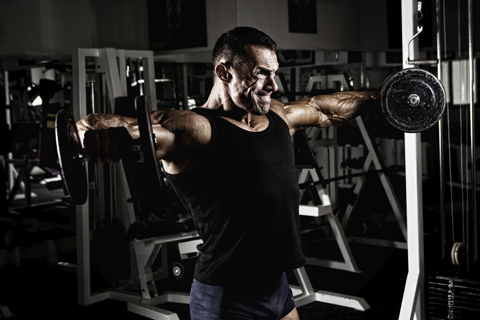
The subject of accentuated eccentric training has been a grey area of personal training for a number of years. Trainers should all know the basics but how many people actively use the different techniques with either themselves or their clients?
So let’s start by explaining what ‘Accentuated Eccentric Training’ actually is……
When performing an exercise there are three main areas of ‘concentration’. The ‘concentric’ phase (lifting a resistance against gravity), the isometric phase (holding a resistance without moving the joint angle or changing muscle length) and the eccentric phase (controlling a resistance going with gravity). Using ‘squats’ as a good example, the most important area of the exercise is when you are coming down to the deepest point – this is your eccentric phase. In the same example the concentric phase occurs when you are pushing the weight upwards (more important with powerlifters).
Strength Training – Beating The Plateau
by Matt Hodges
14 June 2011
 The subject of strength training is as diverse as any other area of fitness, with numerous protocols and regimes that claim to make you stronger.
Most trainers have their preferred way of getting their clients strong and most certified Strength & Conditioning coaches have a set method in which they use. This is all well and said but in my opinion only a handful of these ‘strength and conditioning coaches’ actually practice what they preach. Here’s how to undertake strength training and make sure you’re beating the plateau.
Continue reading